Exactly How Holter ECG in the house Can Transform Your Cardiac Treatment Experience
Holter ECG surveillance has typically called for individuals to see clinical centers for analyses of their heart health. Improvements in technology currently enable for this keeping an eye on to take place in the comfort of one's home. This change can significantly modify the landscape of heart care. By enabling continuous tracking of heart task in a familiar atmosphere, people might experience enhanced end results. The effects of this adjustment warrant further expedition.
Comprehending Holter ECG Tracking
Holter ECG surveillance is a useful diagnostic tool utilized to constantly examine an individual's heart task over a prolonged duration, commonly 24 to 2 days. This mobile tool documents the heart's electric activity, capturing arrhythmias, palpitations, and other abnormalities that might not be evident throughout a standard electrocardiogram. People put on the Holter display connected to electrodes positioned on their upper body, enabling for real-time data collection while they set about their day-to-day regimens. The tape-recorded data is later analyzed by a healthcare professional, that takes a look at the heart's rhythm and determines any abnormalities. Holter surveillance works as a necessary resource for diagnosing problems such as atrial fibrillation, ischemia, or various other cardiac problems. Furthermore, it helps in evaluating the performance of continuous treatments or drugs. In General, Holter ECG monitoring contributes in giving complete insights into a person's heart wellness over a prolonged timeframe.
The Advantages of Home-Based Holter ECGs
Home-based Holter ECG tracking uses various benefits that enhance client convenience and availability. By allowing clients to undertake tracking in their very own atmosphere, it reduces the anxiety and anxiousness often connected with clinical setups. This ease promotes adherence to the tracking procedure, as patients can preserve their everyday regimens without disruption.Moreover, home-based surveillance removes the need for regular brows through to medical care facilities, saving time and minimizing connected traveling prices. It also ensures greater versatility in organizing, as people can pick the most appropriate times for monitoring.Additionally, these tools give continual data collection over prolonged periods, enabling even more exact evaluations of heart health. This extensive data can assist in timely interventions and tailored therapy strategies. In general, home-based Holter ECGs encourage individuals by supplying an extra comfortable, convenient, and effective methods of monitoring their heart wellness.
Exactly How Holter ECGs Function
Holter ECGs operate through a mobile tool that continually checks the heart's electrical activity over an extended duration. The data collection process involves affixing electrodes to the person's skin, which transfer real-time info to the device. This functionality permits detailed evaluation of heart rhythms, helping in the medical diagnosis of numerous cardiac conditions.
Device Functionality Explained
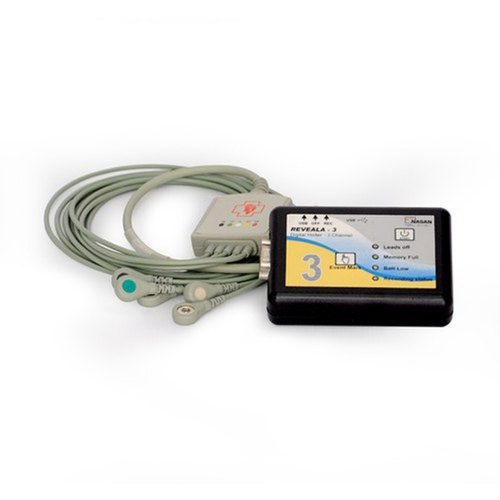
Recording the heart's electric task over an extensive period, a mobile ECG tool offers necessary insights into cardiac feature. This device generally contains electrodes that affix to the skin, tape-recording electric signals as the heart beats. The Holter screen continuously tracks these signals, permitting for the discovery of arrhythmias and other heart irregularities that might not be evident during a standard ECG. It is light-weight and made for daily wear, enabling individuals to participate in normal activities while the tool gathers data. The taped information is then stored for later evaluation by healthcare experts, helping with a detailed understanding of the individual's heart wellness gradually. This functionality emphasizes the significance of Holter ECGs in proactive heart treatment.
Information Collection Process
Throughout the information collection process, a Holter ECG keeps track of the heart's electric activity through a series of electrodes put on the patient's breast. These electrodes catch constant electrocardiogram (ECG) readings over a specified duration, normally 24 to 2 days. The device records the heart's rhythm, finding abnormalities such as arrhythmias, palpitations, or ischemic changes (Holter ECG at Home in Bangalore). Data is kept within the portable recorder, which the person lugs throughout daily tasks, enabling real-world tracking. After the recording period, the gadget is returned to the doctor, where the accumulated information is evaluated. This complete evaluation help in the medical diagnosis and monitoring of numerous cardiac conditions, improving the overall patient experience and notifying treatment decisions
Comparing Traditional Monitoring to Home Tracking
When contrasting typical monitoring methods to home ease, surveillance and adaptability become considerable advantages of the last. Individuals take advantage of the capability to conduct examinations in their very own settings, which can decrease tension and improve compliance. Nonetheless, it is vital to analyze whether this raised comfort concessions the precision and dependability of the information gathered.
Convenience and Adaptability
Although standard ECG monitoring commonly needs people to check out medical facilities, home-based Holter ECG surveillance offers a degree of convenience and versatility that is significantly attractive. Patients can go through monitoring in the comfort of their very own homes, eliminating the requirement for travel and decreasing time invested away from daily tasks. This home-based approach permits individuals to keep their routines, whether at the office or engaging in leisure tasks, while still obtaining essential heart analyses. In addition, people can put on the device for prolonged periods, catching data throughout regular tasks and rest patterns. This adaptability not just boosts patient convenience but also encourages adherence to keeping an eye on procedures, eventually resulting in an extra patient-centric approach in heart that site care.
Precision and Reliability

Real-Time Data and Its Significance
Just how important is real-time information in the context of Holter ECG tracking? Real-time data plays an important duty in boosting heart care by supplying prompt insights into an individual's heart task. This instantaneous information permits doctor to identify irregularities and possible problems immediately. By constantly taping heart rhythms over an extensive duration, Holter ECG tools capture vital events that could be missed during common examinations. Access to real-time information equips clinicians to make educated choices promptly, possibly bring about timely interventions. This can be especially important for people with a history of arrhythmias or other cardiac conditions, as very early discovery can greatly boost end results. In addition, real-time surveillance promotes continuous client evaluation, decreasing the need for constant in-office gos to. Ultimately, the combination of real-time data right into Holter ECG tracking transforms conventional cardiac treatment into a much more receptive and proactive method, prioritizing person wellness.
Equipping Clients With Wellness Insights
The assimilation of real-time data in Holter ECG tracking not just improves clinical decision-making yet likewise plays a substantial function in you could look here equipping patients with useful health understandings - Holter ECG at Home in Bangalore. By supplying immediate accessibility to their heart information, patients can much better understand their heart health and wellness, resulting in increased interaction in their treatment. This heightened awareness allows them to determine patterns and sets off related to their signs and symptoms, promoting aggressive management of their conditions.Moreover, the capacity to monitor their heart rate and rhythm from home grows a feeling of control and confidence. Clients can share this information with doctor, promoting more informed discussions throughout assessments. This collaborative method improves the healing relationship and urges adherence to therapy strategies. Ultimately, the availability of real-time health and wellness understandings changes patients from passive receivers of treatment right into energetic individuals, advertising a more efficient and tailored approach to heart wellness management
The Future of Cardiac Care With Home Monitoring
As innovation proceeds to breakthrough, the future of heart care is increasingly leaning in the direction of home tracking services that prioritize client comfort and constant data collection. Home monitoring systems, particularly Holter ECG devices, enable real-time monitoring of cardio wellness, making it possible for doctor to get prompt info and make informed choices. This shift not only decreases the need for constant hospital check outs but additionally enhances person involvement and adherence to treatment plans.Moreover, incorporating man-made intelligence with home surveillance can promote predictive analytics, enabling very early detection of potential heart events. Such developments guarantee to personalize care, making sure that interventions are customized to individual needs. As information privacy and security measures progress, individuals can feel extra confident in sharing their health information. Inevitably, the fostering of home monitoring in cardiac care symbolizes a transformative strategy, cultivating a positive instead than reactive health care model that benefits suppliers and patients alike.
Often Asked Inquiries

How much time Does a Holter ECG Monitoring Session Usually Last?
A Holter ECG surveillance session generally lasts 24 to two days. During this period, people put on a mobile device that constantly videotapes heart task, allowing for comprehensive evaluation of heart rhythms in time.
Is a Prescription Required for a Home Holter ECG Device?
A prescription is typically needed for a home Holter ECG device. This guarantees that the monitoring is clinically warranted and tailored to the client's specific wellness needs, facilitating suitable heart treatment and follow-up.
Can I Perform Daily Activities While Putting On the Holter ECG?
People can generally perform daily tasks while putting on a Holter ECG display. The tool is created for continual surveillance, allowing users to take part in normal regimens without substantial constraints, making certain precise data collection during regular tasks.
What Should I Do if the Device Malfunctions?
If the tool malfunctions, the user must initially consult the customer handbook for repairing steps. If problems linger, getting in touch with the health care copyright for guidance or replacement alternatives is recommended to ensure accurate surveillance proceeds.
Just how Is the Data Evaluated After the Surveillance Period Ends?
After the tracking period wraps up, medical care specialists examine the accumulated information, evaluating heart rhythms and identifying problems. This evaluation helps in tailoring and detecting problems treatment plans based on the client's specific cardiac health needs. Holter ECG check my site monitoring has typically called for people to see clinical facilities for evaluations of their heart health and wellness. Holter ECG tracking is a valuable diagnostic tool utilized to constantly review an individual's heart activity over an extended period, typically 24 to 48 hours. Home-based Holter ECG surveillance offers many benefits that boost patient convenience and access. Conventional ECG tracking typically calls for patients to check out medical centers, home-based Holter ECG monitoring offers a level of benefit and versatility that is significantly attractive. The integration of real-time data in Holter ECG monitoring not only improves scientific decision-making however likewise plays a considerable duty in empowering patients with valuable wellness understandings.